The Kinashi Bonsai District is the source of many different bonsai varieties, but by far most trees from this region are black, red, and white pines. Each of these varieties are typically grown here in pure “river sand.” Warmer winters and hot muggy summers make river sand the perfect medium for pines in the region.
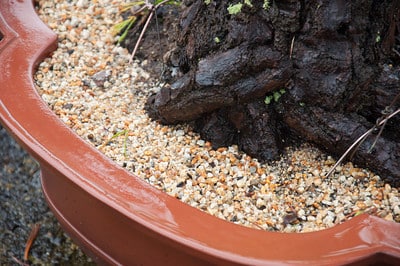
River Sand
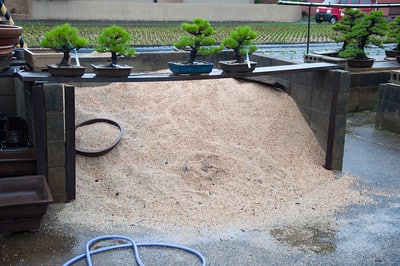
River Sand
The growers tend to develop trunks in the ground, then dig the trees to develop the branches. Given enough time, some fun trees result.
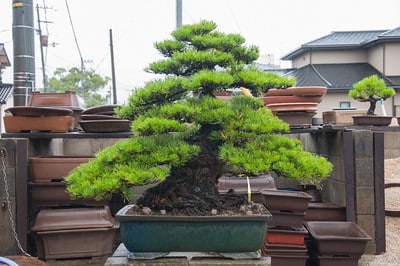
Black pine
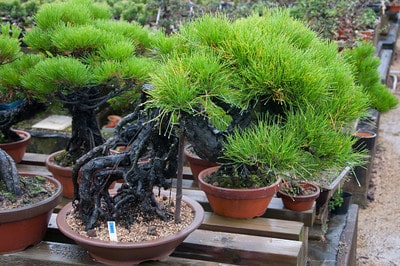
Exposed root pines
At each nursery, I asked the proprietor if he or she had pine seeds for sale. The first time I heard yes, I was led to the back reaches of the property where said seeds were kept in a workshop. I’ve been growing some of these seeds for almost a year now – a small reminder of Shikoku in my own backyard.
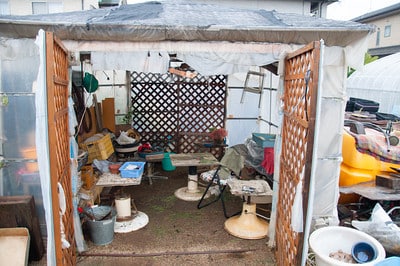
Workshop
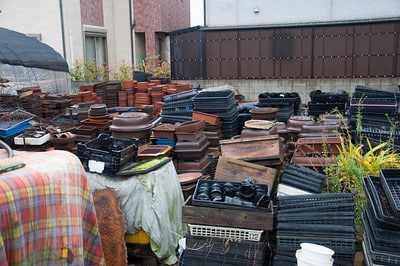
Flats and pots by the workshop
Wandering through the nursery-ridden neighborhood offered views of different approaches to growing pines. Some plots were tidy, others rangy, others seemingly abandoned. With the price of rough pines as low as it is in Japan today, it can cost more to dig and care for a tree than one can make selling it.
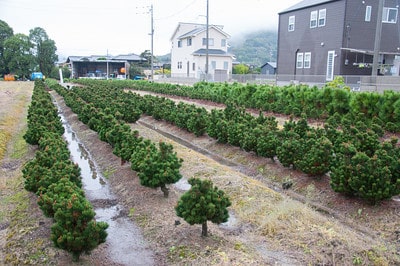
Growing Grounds
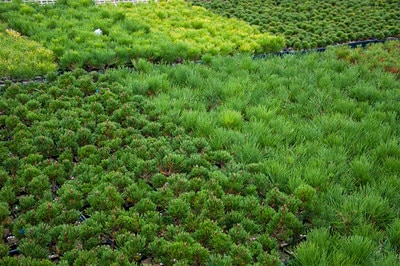
Pine foliage
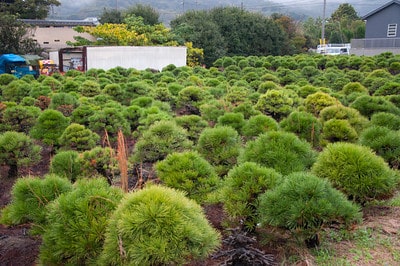
Mini bonsai forest
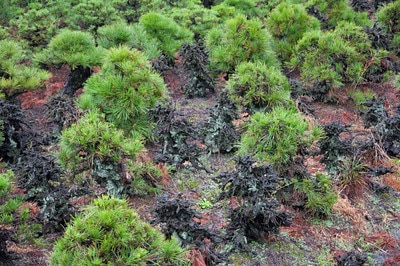
Some not-so-healthy cork bark pines
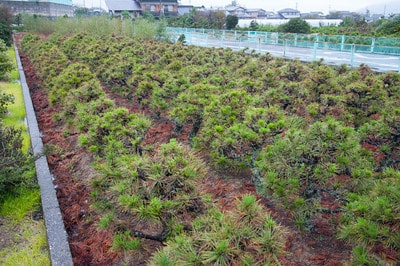
More less-than-healthy cork bark pines
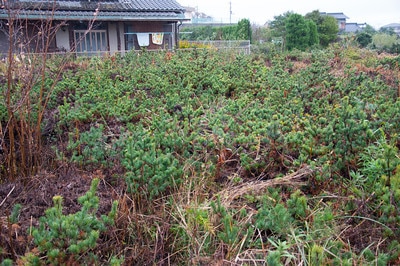
White pines
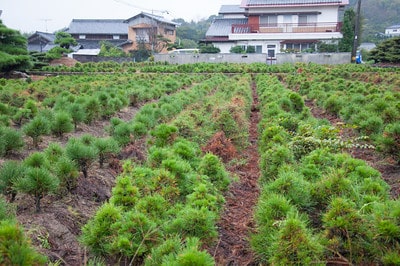
Black pines
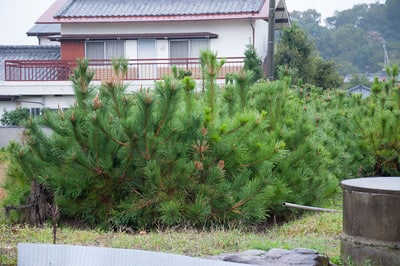
Pines in need of a haircut
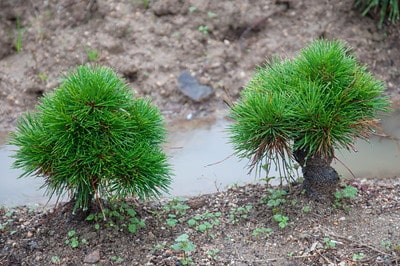
Little pines
At the Kinashi bonsai center, several nurseries had trees for sale, including some new varieties. The senzyumaru black pine below had tinier foliage than kotobuki yet the variety grew more vigorously. Here’s the oldest of the batch.
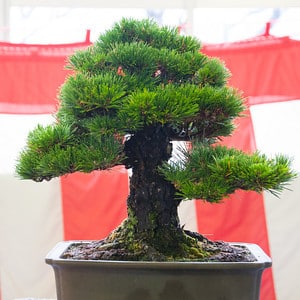
Senzyumaru
Behind one of the growers, the proprietor’s son – one of the convention headliners – maintained a fabulous collection of shohin bonsai.
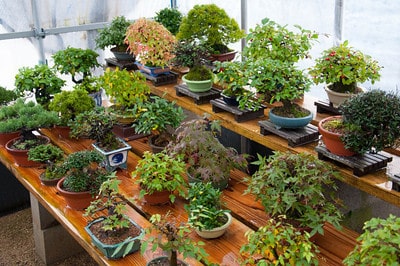
Shohin
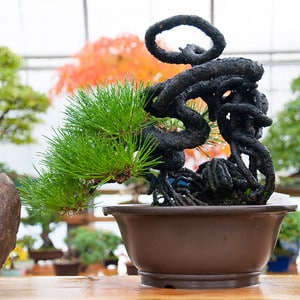
Shohin exposed root black pine
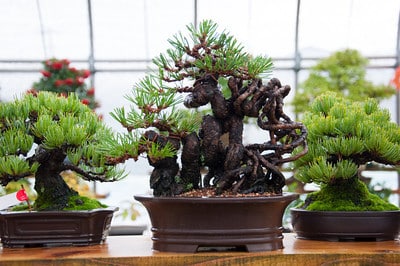
Black pine
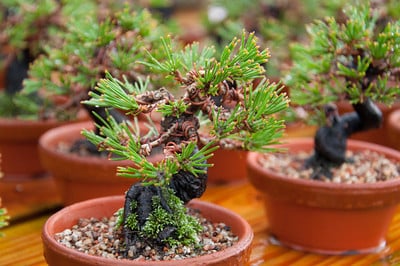
Young black pines
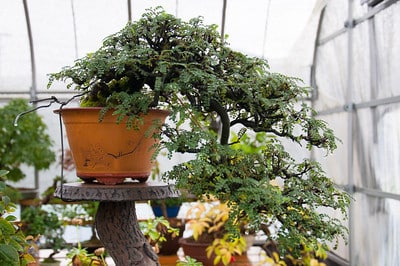
Japanese pepper tree
Back outside, it was all pines again.
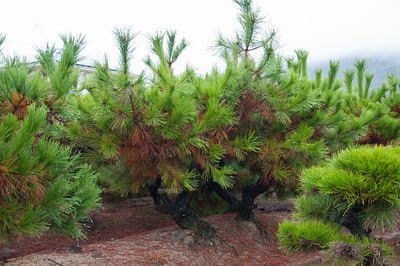
Rangy black pines
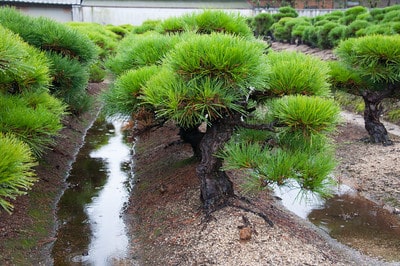
Well kept pines
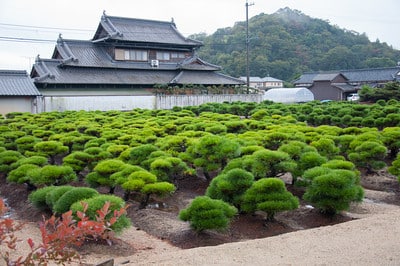
Many well-kept black pines
I finished the afternoon at a nursery near the start of my tour. It was famous for a black pine with extraordinary branches. Seriously extra-ordinary.
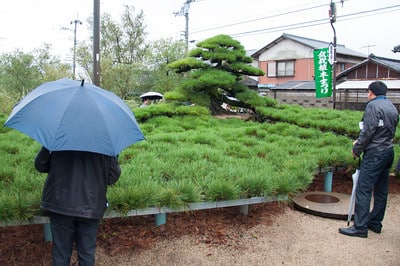
Black pine
Subscribe to Bonsai Tonight
New Posts Delivered Every Tuesday and Friday
Stu Garrett says
Please educate us about what a “senzyumaru black pine” is.
Great photos!
Stu Garrett
bonsaiprelude says
Those are the coolest pictures ever, they look like green mushrooms!
John DeMaegd says
Somebody hand me a tissue quick! I know I’m drooling! WOW! What I wouldn’t give to be able to shop in this area!
brendenstudio says
Wow! Thanks for sharing
phil lanceley says
Another world
Jonas says
Hi Stu – What little I know about the variety is that it’s a black pine with very short needles developed and/or discovered, I imagine, by someone from the area.
Robert Fulkerson and my son Joshua Fulkerson says
What are the chances of one visiting any of these phenomenal nurseries and purchasing a pine and bringing it back to the United States. Is it possible, and what could one expect to pay for a typical black pine that you would see at one of these places. It floors me that you see bench after bench of these beautiful trees, and then here that they just sit there because people are not buying these trees. I have a son teaching English in Japan and when we come to visit him this coming spring we want to do the tours of as many of the famous nurseries as possible. I would love to pick up a tree or two” or ten”, just kidding about the ten and bring back to our home in America to add to our bonsai collection. My son and I have been in the bonsai hobby for approximately 7-8 years, and have never owned a pine of any species, but now feel like we would love to expand our growing knowledge into this species. Any help into the process that would be needed to bring a tree from Japan home would be greatly appreciated.
Jonas Dupuich says
Hi Robert – thanks for the note! Visiting these nurseries and buying any number of trees is relatively easy. Bringing them to the states is tricky. Last I heard, approved nurseries can import trees that must undergo quarantine before you can take you home. These nurseries typically buy and sell their own stock, though some may, on occasion, make arrangements to quarantine trees on behalf of individuals. My information is out of date and far from complete – maybe others have a better understanding of the process.
David Bockman (@davidbockman) says
Interesting photos of the failing black pines in the grow field– do you think they are abandoning them because of the lack of sales of refined trees?
Jonas Dupuich says
Hi David – my guess is it’s the lack of sales of unrefined trees. It takes a lot of effort to get bonsai from the ground to exhibit, and not everyone wants to spend years getting their trees into shape, especially when slightly more refined trees aren’t that much more expensive. It would be nice (for all but the growers) if we had a similar supply overabundance.