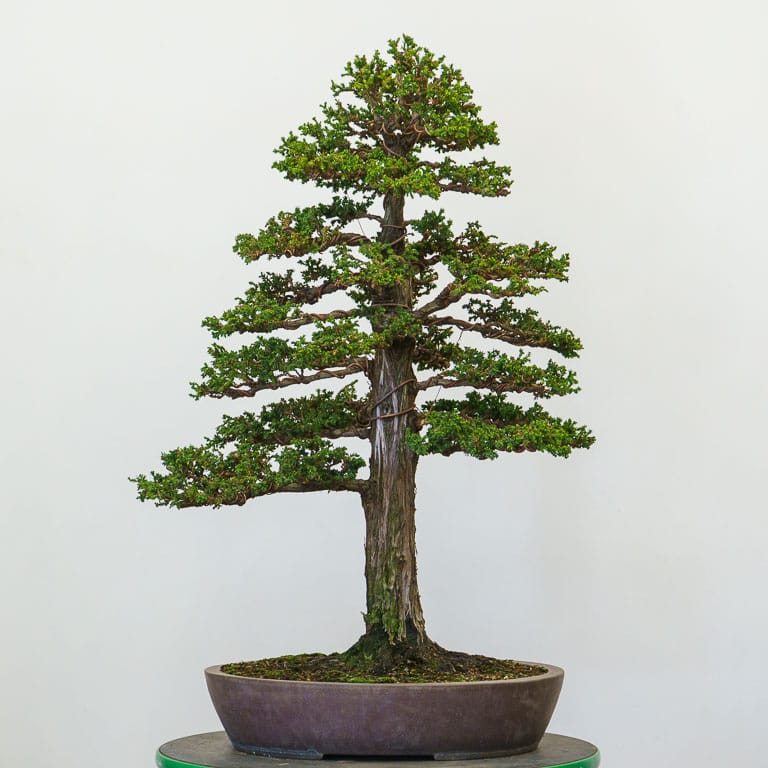
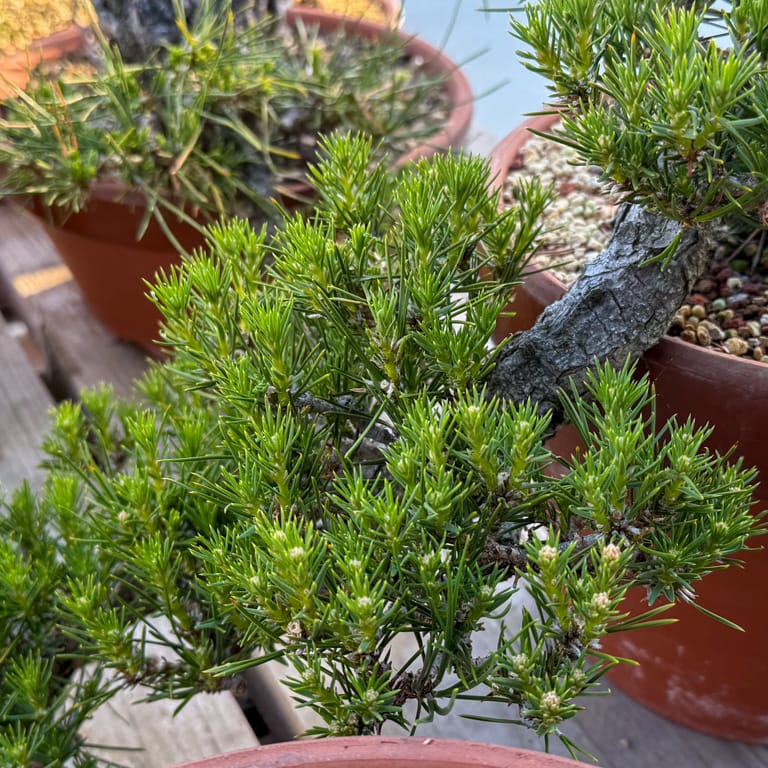
Somehow six years have passed since the last update on the cryptomeria below. It’s a great example of how slowly development moves along when the work is irregular. Here is the tree after its first wiring in 2020. First wiring – September, 2020 For the next few years the tree grew freely. November, 2021 August, […]
Bonsai Blog
Search
(Enter search terms and press 'Enter')
Recent Posts
Sacrifice branches – getting the balance right
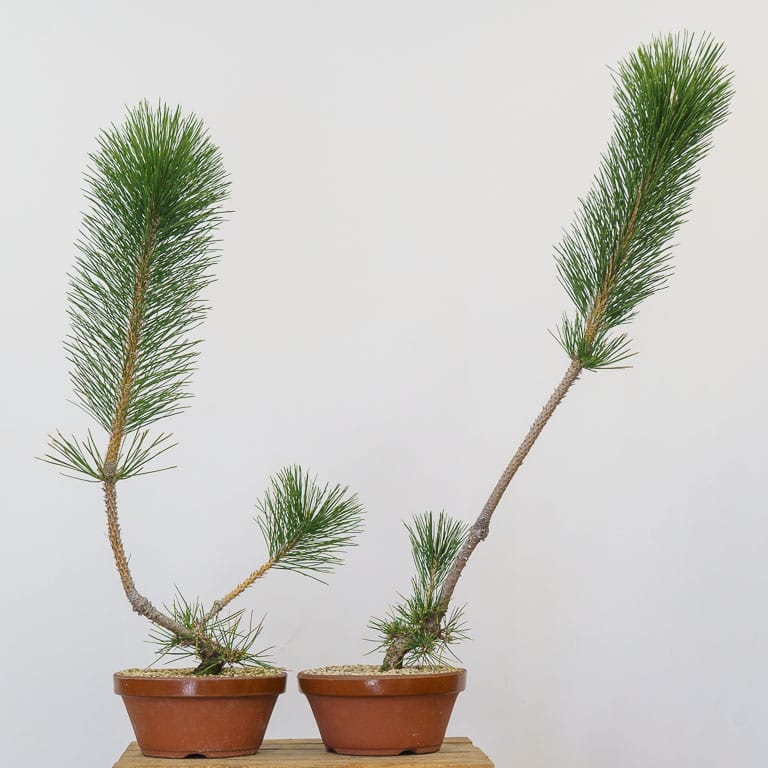
A month or two after decandling season is a good time to check and see how the summer growth is filling in. If everything looks good, there’s no need to make a change. If the new growth is weaker than expected, there’s still time to strengthen it before the end of the growing season. This […]
Draft judging instructions for the PBE
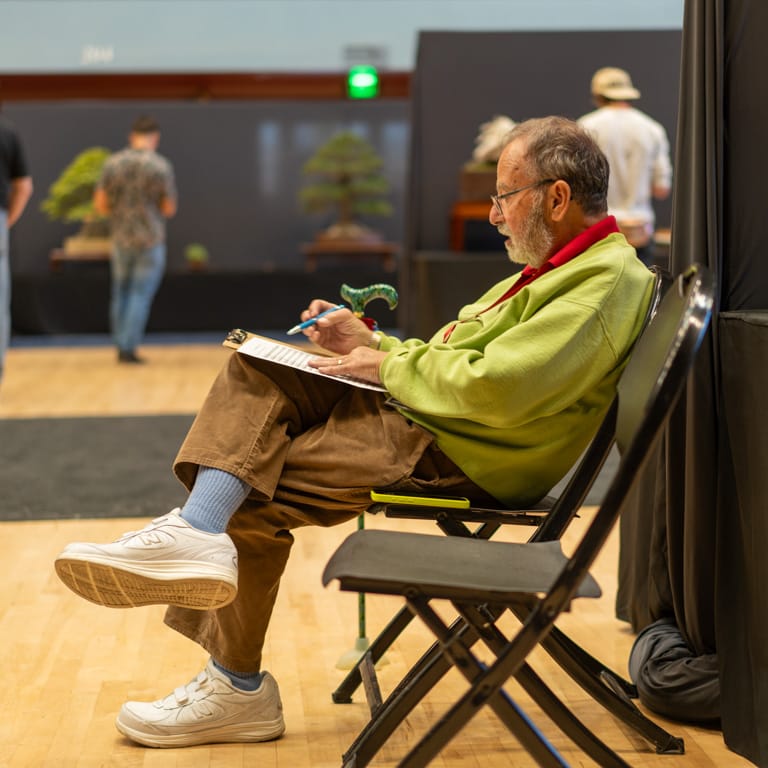
For years now I’ve wanted to write a guide to help judges think through the process of scoring the trees displayed in the Pacific Bonsai Expo. It’s one of a small number of exhibits where the exhibitors are the judges, and we don’t expect the members of the judging panel to all have broad experience […]
Designing bonsai in 3D
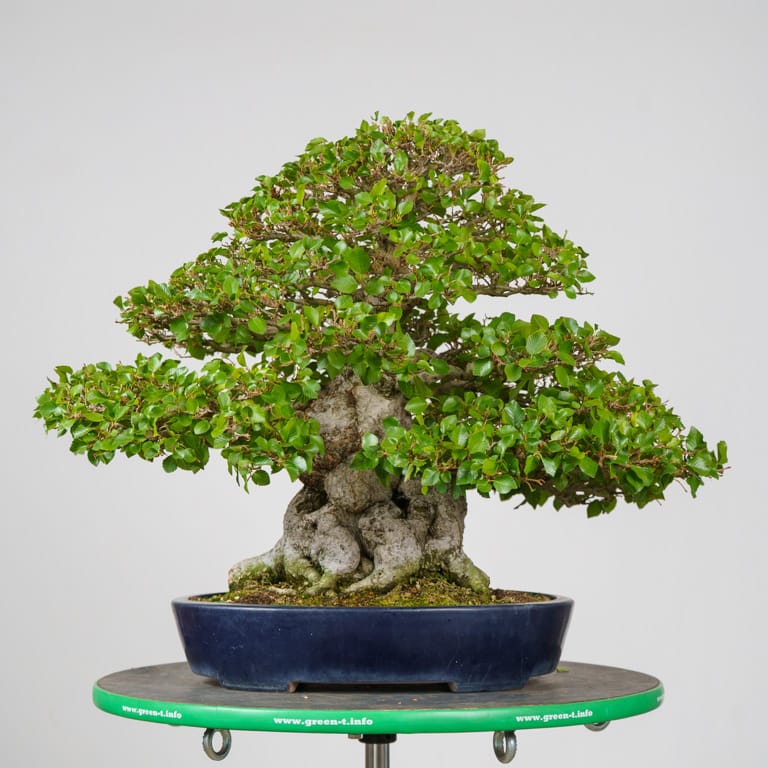
We’re used to looking at photos of trees with the camera pointed squarely at the front of the tree. It’s a good way to get the basic idea of a tree’s shape. Korean hornbeam before pruning Half-way done Front view – after partial defoliation What this approach can hide is what a tree looks like […]
An approach to fertilizer and water quality
When I started growing bonsai, fertilizing was simple. I sprinkled cottonseed meal on the surface of the soil and watered with fish emulsion every few weeks. Applying fish emulsion (circa 2010) This approach worked well for years, up until rodents began stealing the fertilizer and digging up the soil. I needed to make a change. […]