One of the benefits of visiting bonsai nurseries in Japan – apart from seeing so many great trees – is getting a better sense of the person who maintains the nursery. Do they like conifers or deciduous trees, a large or small number of varieties, trees in development or well-refined bonsai? How long trees remain in their care may reveal whether they enjoy long-term projects or high rates of turnover in the garden.
Upon visiting Chiharu Imai’s garden in Kanagawa prefecture, it became immediately clear that Imai enjoys developing all kinds of material into high quality bonsai. The trees in his garden ranged from barely developed to wonderfully refined. For these last few posts from my recent visit to Japan, I’ll present some junipers, pines and deciduous bonsai from Imai’s garden in roughly descending order based on relative stages of development. First up, the junipers. And wow – what fun trees they are!
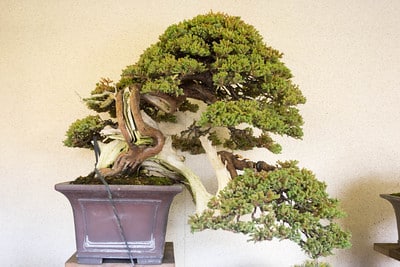
Procumbens juniper – looks like an established tree
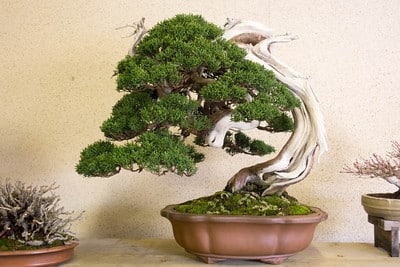
Shimpaku – young branches, good silhouette
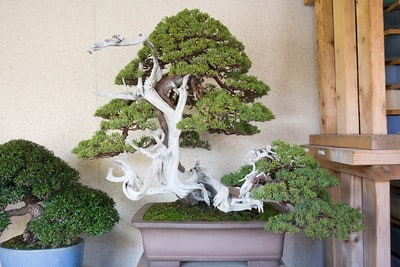
Shimpaku – good, young branches
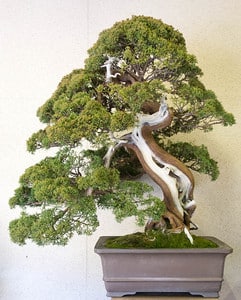
Shimpaku – another well-established tree with less manicured branches
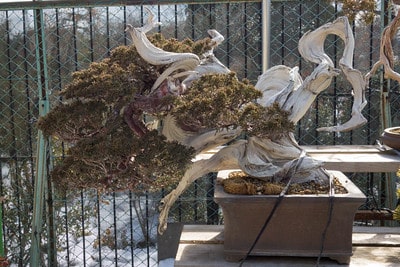
Shimpaku – wow!
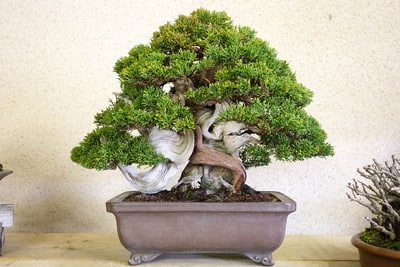
Shimpaku – young branches create the right outline
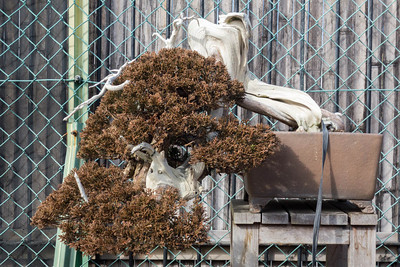
Shimpaku – basic silhouette in place
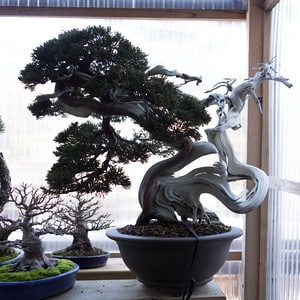
Shimpaku – the silhouette reveals the ramification
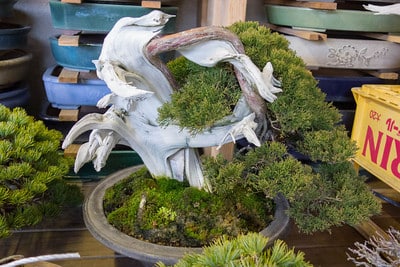
Shimpaku – interesting single branch tree
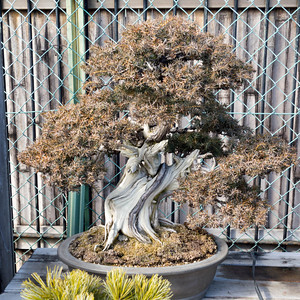
Needle juniper – primary branching in place
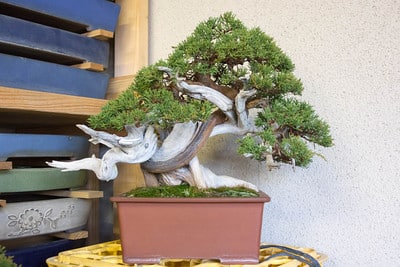
Shimpaku – young branches
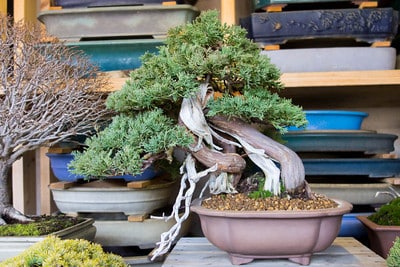
Shimpaku – basic outline
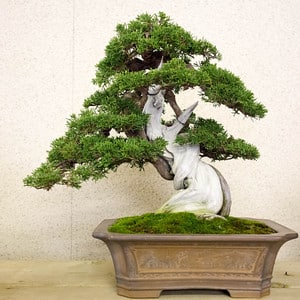
Shimpaku – rough outline
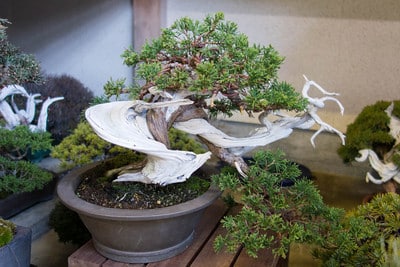
Shimpaku – very young branches
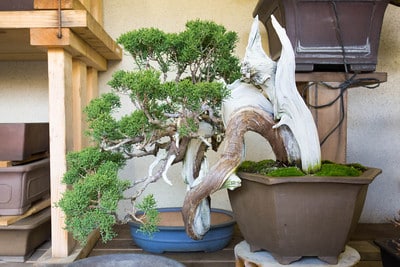
Shimpaku – what a fun project!
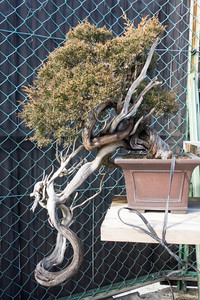
Shimpaku – more great fun
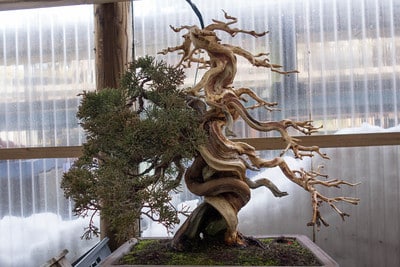
Shimpaku – fresh carving, branches just getting started – fun project!
Subscribe to Bonsai Tonight
New Posts Delivered Every Tuesday and Friday
joshuabertetta8306 says
These are amazing! How I miss my bonsai.
zack Clayton says
Jonas, this post, and the last few from Miyazaki, Mr. Adachi, has highlighted something I was only beginning to understand about my collection. I love yamadori and contorted specimens, but I also gravitate toward development. I love striking cuttings and seeing where I can take the resulting trees. This may be what I do when I “retire” in a few years.