Last month the Bay Area Bonsai Associates held their 42nd annual exhibit at the Lake Merritt Garden Center in Oakland, California. The event featured an exhibit, sales area, and Saturday evening demonstration by Adam Toth.
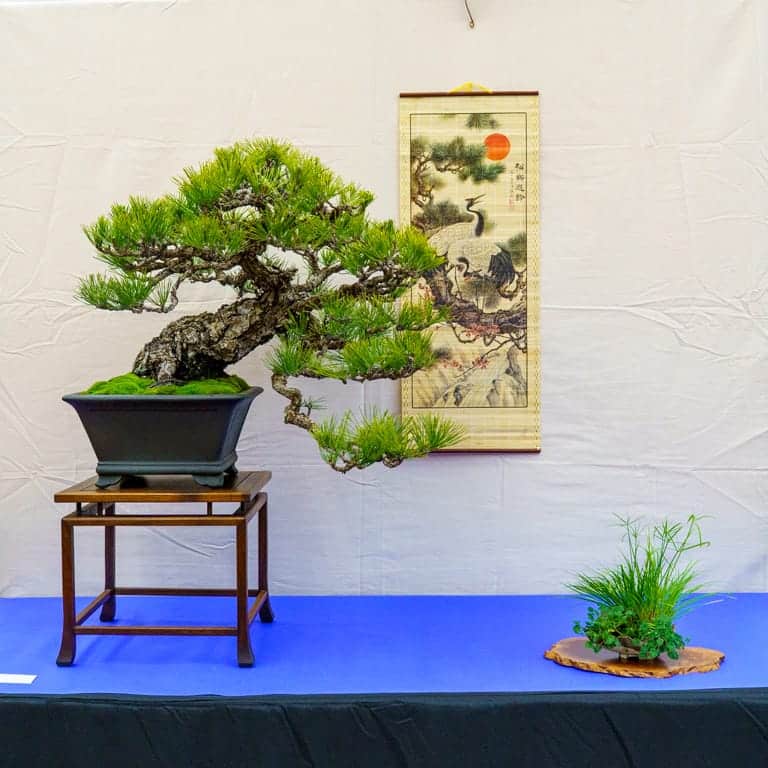
Japanese black pine
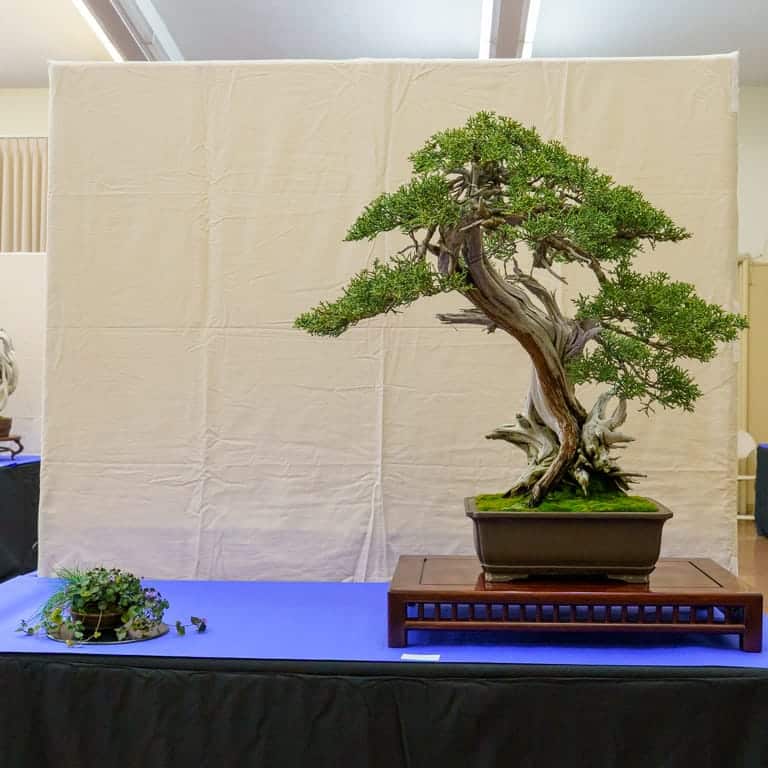
California juniper
I appreciated that the show included a good mix of deciduous, broadleaf evergreen, and coniferous bonsai. Trees ranged in size from large down to shohin with plenty of trees somewhere in the middle.
It was also fun to see different approaches to the same species. The two coast redwoods below, for example, feature different branch angles, different branch thickness, and different approaches to foliar development.
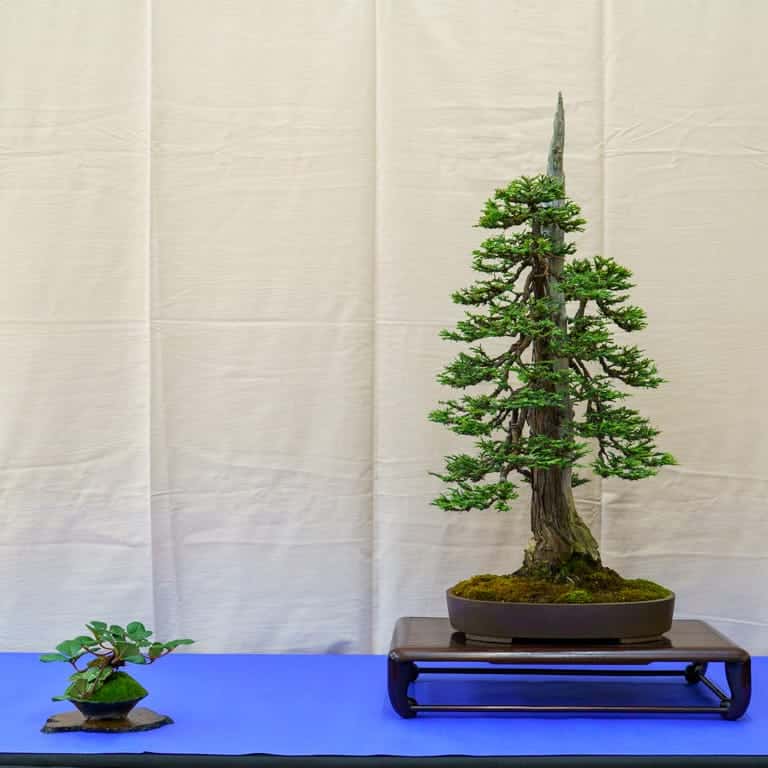
Coast redwood
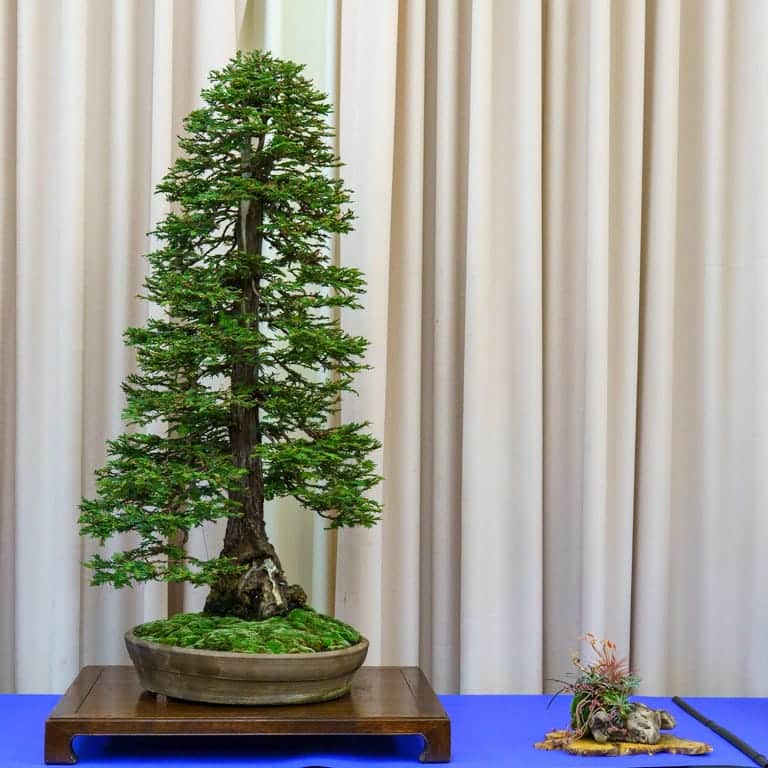
Coast redwood
It was also fun to see so many deciduous bonsai in winter silhouette.
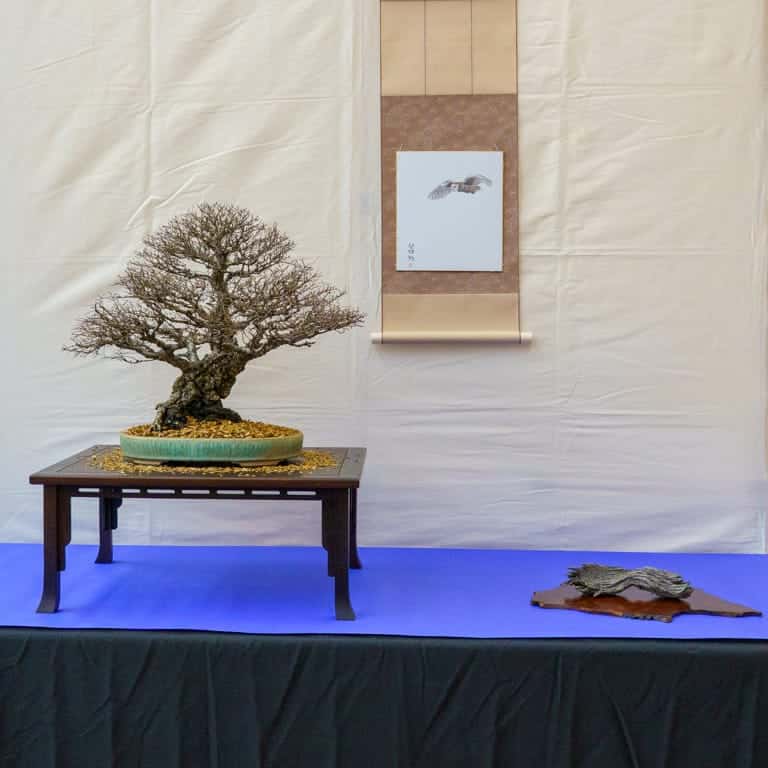
Cork elm
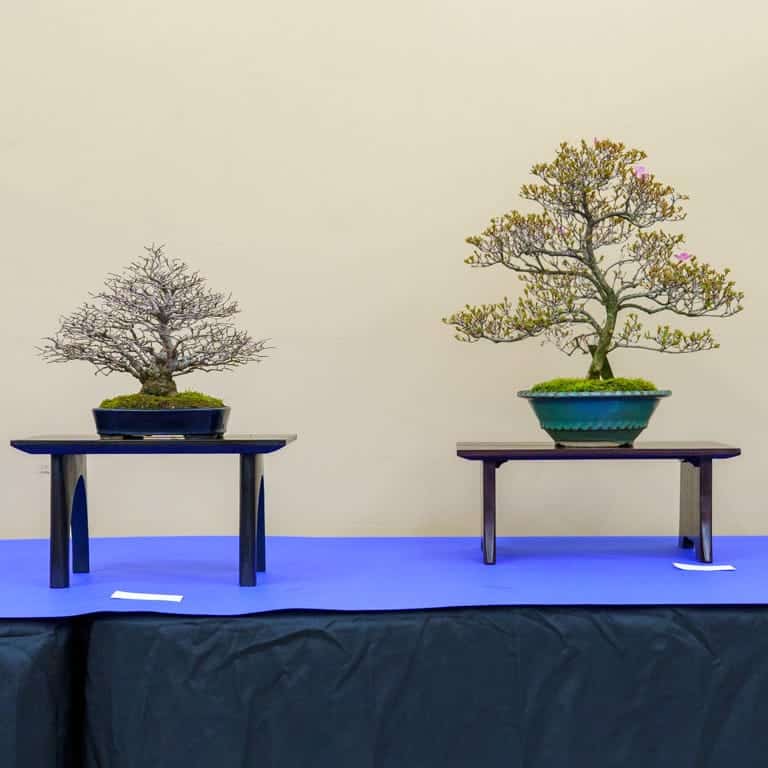
Elm and azalea
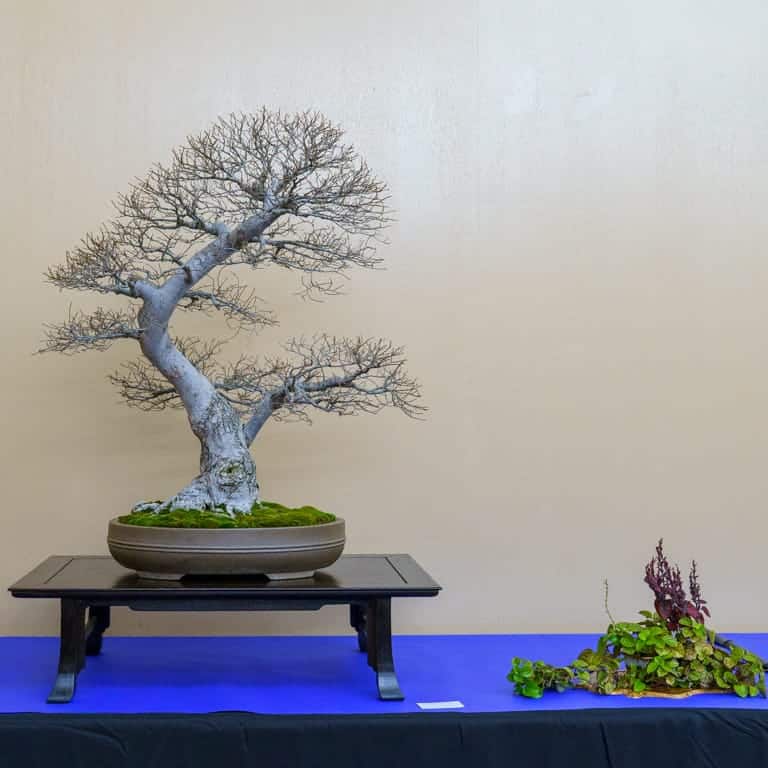
Jacqueline Hillier elm
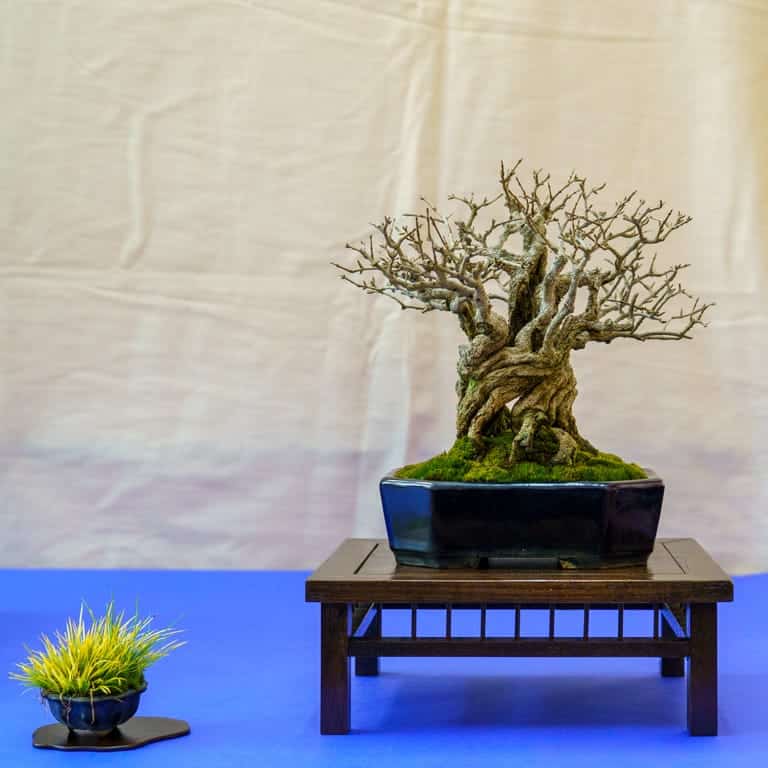
Pomegranate
Several small-tree displays provided good contrast to the larger trees in the room.
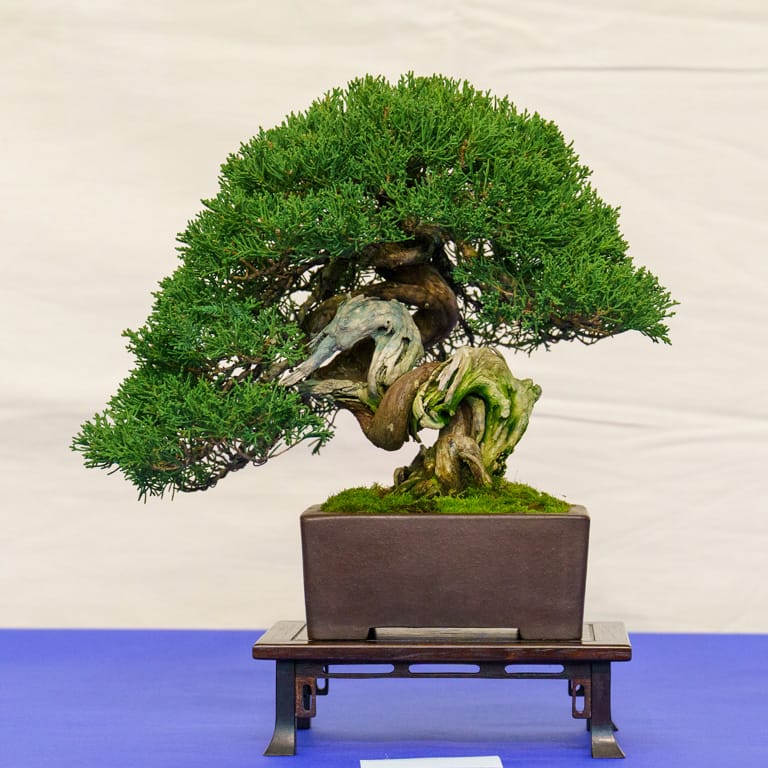
Shimpaku
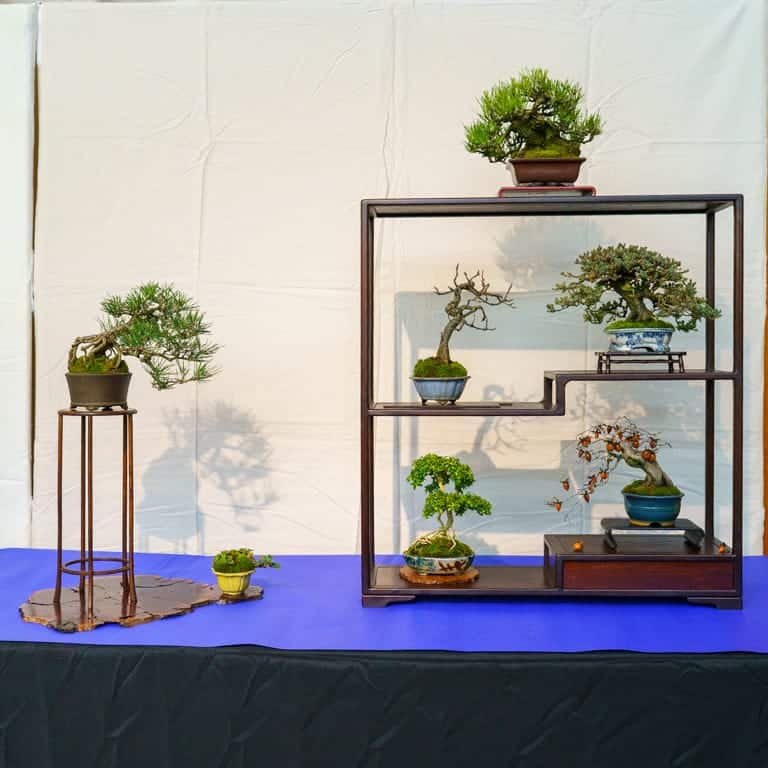
Shohin display
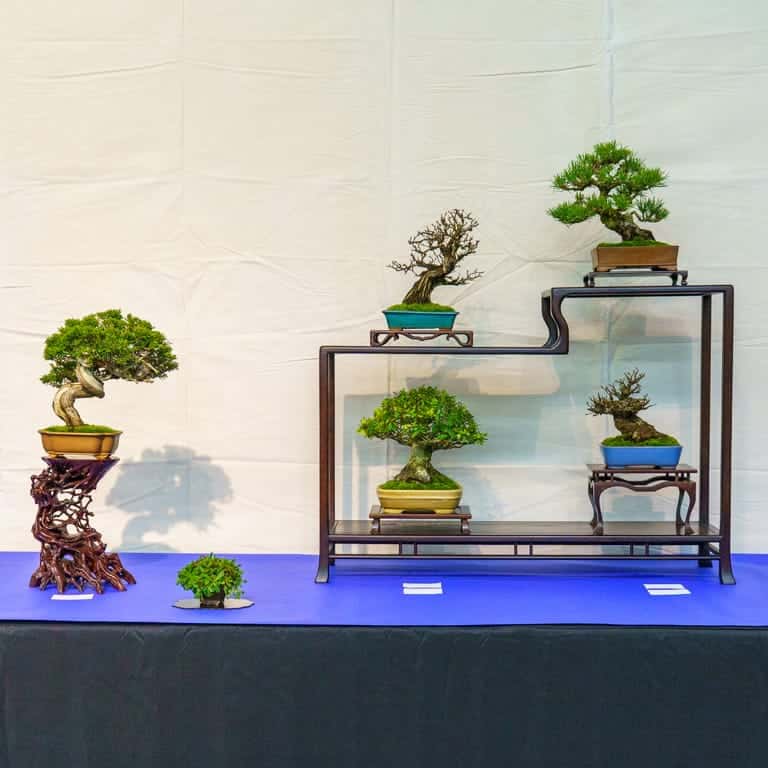
Shohin display
The show also featured native material including Sierra juniper and Coast live oak.
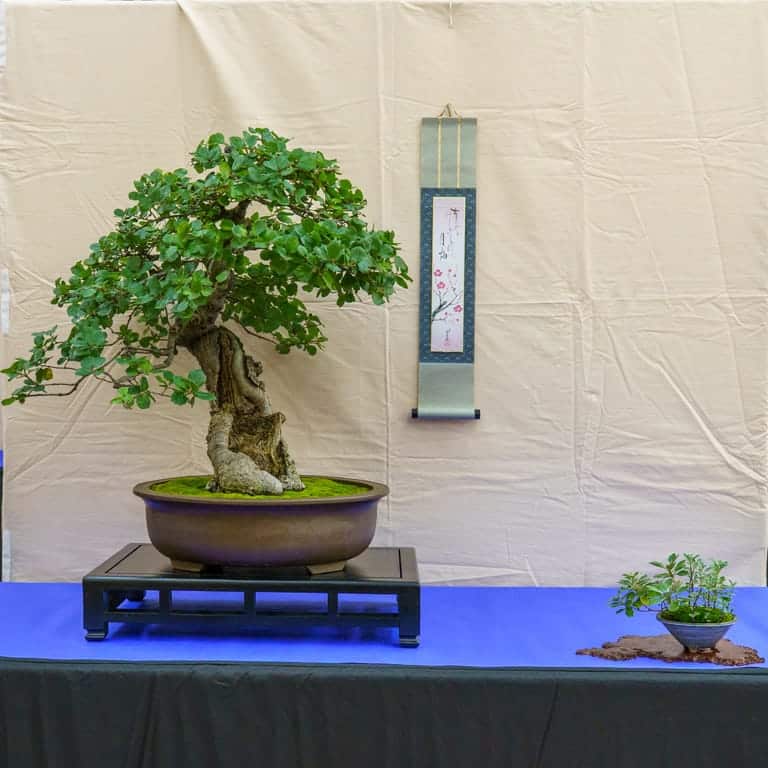
Coast live oak
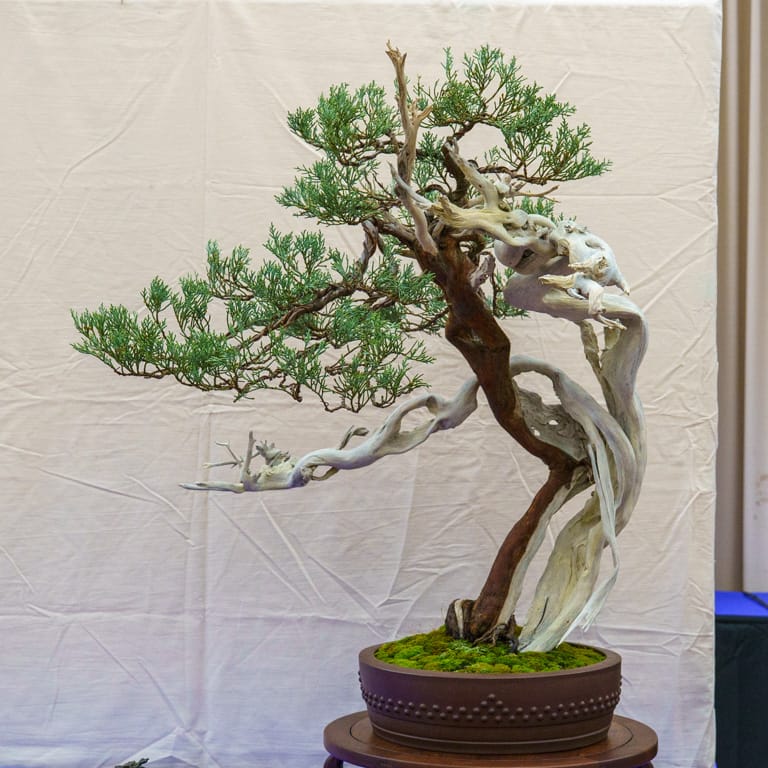
Sierra juniper
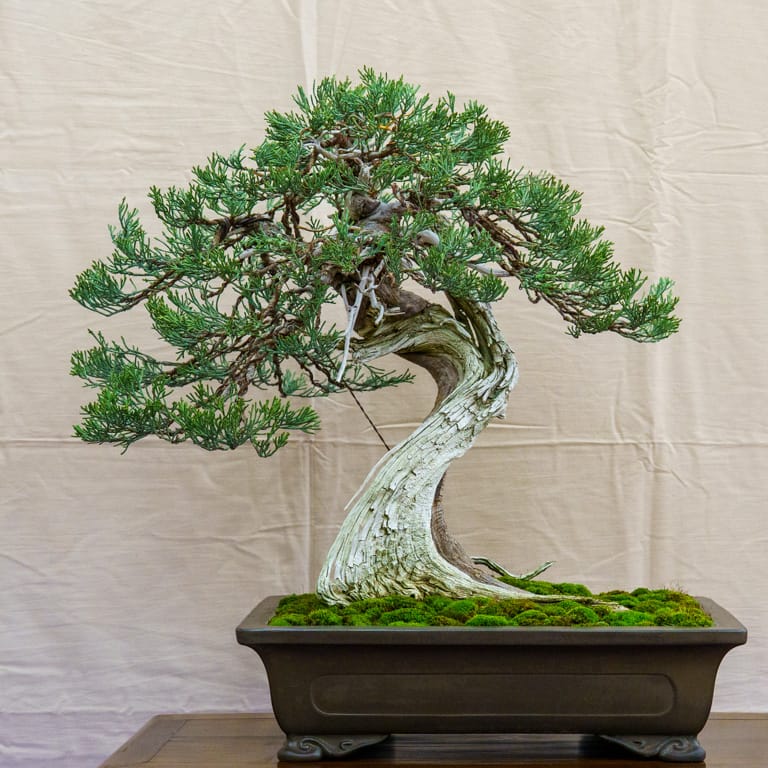
Sierra juniper
Walking through a bonsai show has made me excited for the upcoming Kokufu exhibit in Japan. More on that in an upcoming post.
Subscribe to Bonsai Tonight
New Posts Delivered Every Tuesday and Friday
K Hetzner says
Hello Jonas- looks like a wonderful show indeed–ao many variations! I also wanted to ask if Bonsai’s need humidity? If so, should I place the tree (Hinoki Cypress) in a saucer with rocks so the actually vase does not touch the water?
Thank you,
Kathryn
Jonas Dupuich says
There’s no need to keep water and stones under the pot for the sake of humidity. But if the tree dries out too much between waterings, and it’s challenging to water more frequently, you can nestle the pot into a tray with pebbles or even bonsai soil to insulate the pot and allow the roots access to more water.