Whenever I bring new trees to the garden I look forward to cleaning them up so I can take a closer look. This is especially true when trees have weeds or unhealthy foliage. In general my intake process includes:
- Removing weeds and replacing the surface soil
- Removing flaky bark (when it’s not wanted)
- Removing discolored foliage
- Cleaning deadwood features
- Looking for signs of pests or disease
- Lightly cutting back foliage as needed
Cleaning up a tree is a good way to get to know it. I like removing flaky bark as it can hide insects or dieback on the trunk. I like removing the top layer of soil to reduce the number of weeds (or weed seeds) and to get an idea of the degree to which water might penetrate the soil when it’s watered.
On the trident maple below, I knew that cleaning up the surface soil and trunk would be obvious starting points (thanks to Nick for doing the work).
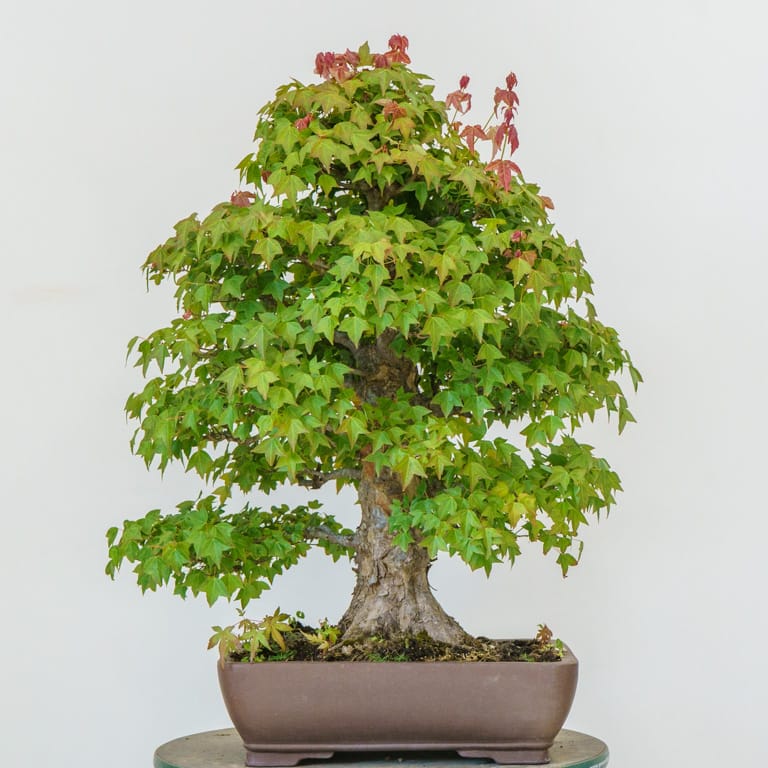
Trident maple
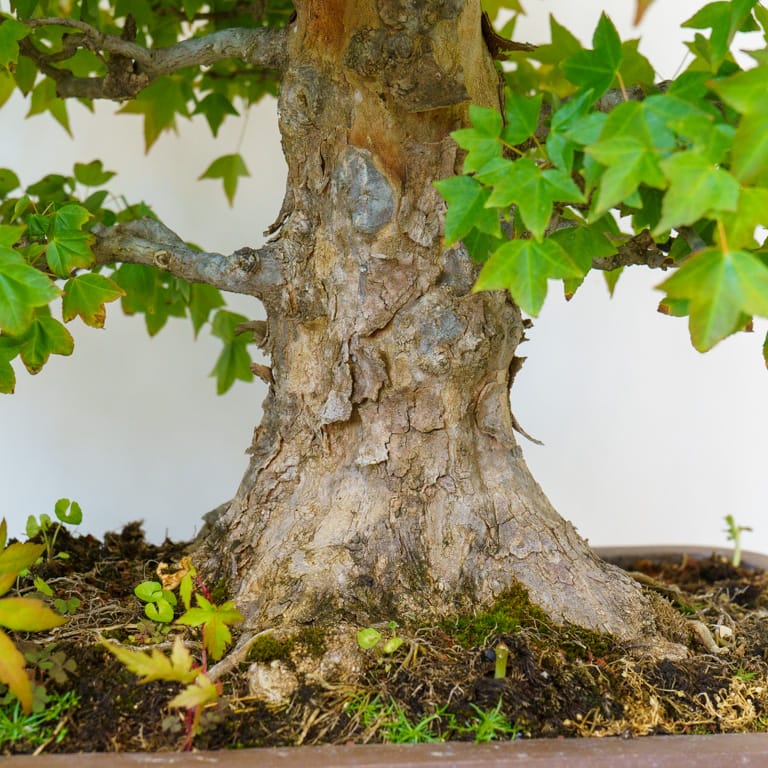
Flaky bark
Upon closer investigation, I noticed that some of the interior foliage received very little light. Because the tree had ample new shoots, I thought it would be best to thin or shorten the upper branches.
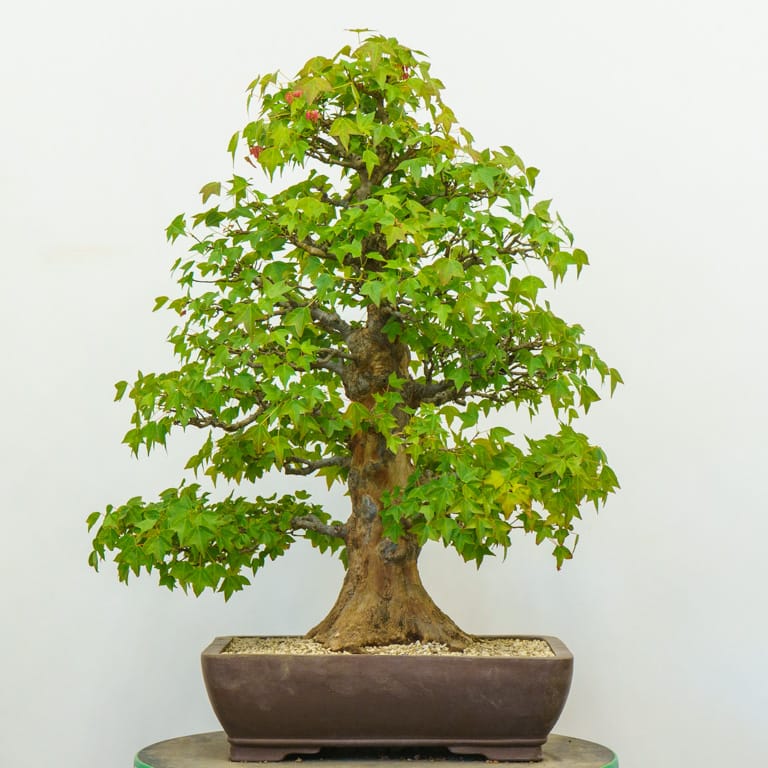
After pruning and thinning
I don’t normally do a lot of pruning on new trees unless they are showing signs of good health. In general I focus on getting new trees as healthy as possible, repotting them when it’s seasonally appropriate, and then doing normal work when I have a good understanding about what’s going on above and below the roots.
A new Sierra juniper had some yellow foliage and really flaky bark. To learn more about the state of the trunk, the first step was to remove the yellow foliage and flaky bark.
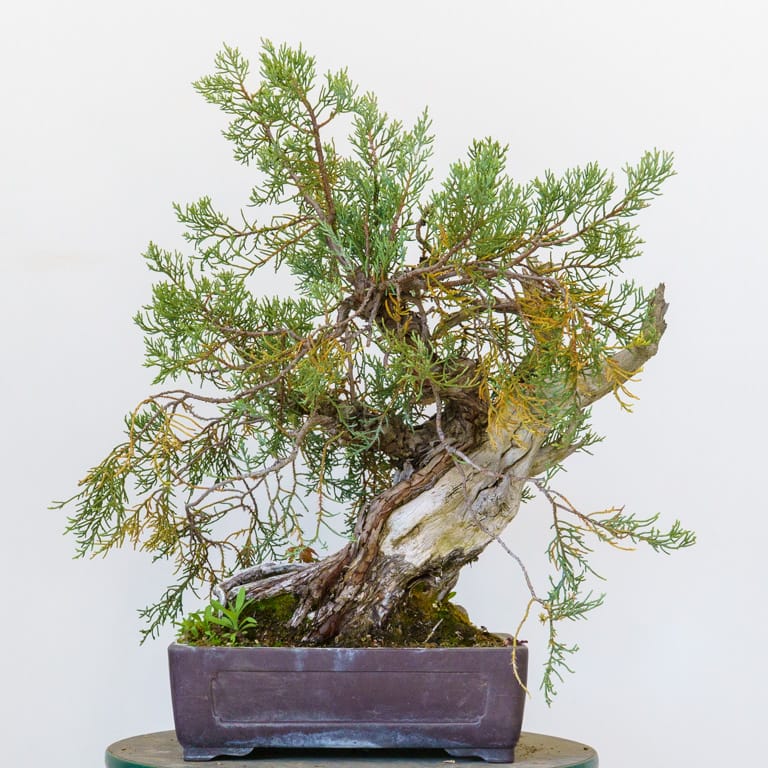
Sierra juniper
After getting started, it became clear that there was a lot of dead bark on the deadwood.
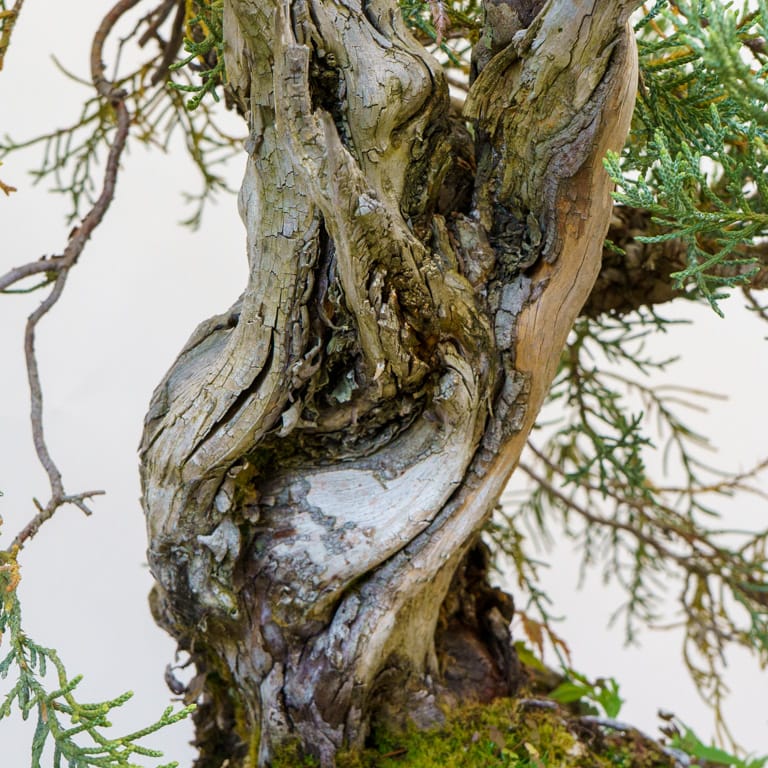
Deadwood in need of cleanup
Although there wasn’t time to fully clean the deadwood, a quick cleanup made a huge difference (thanks Mike).
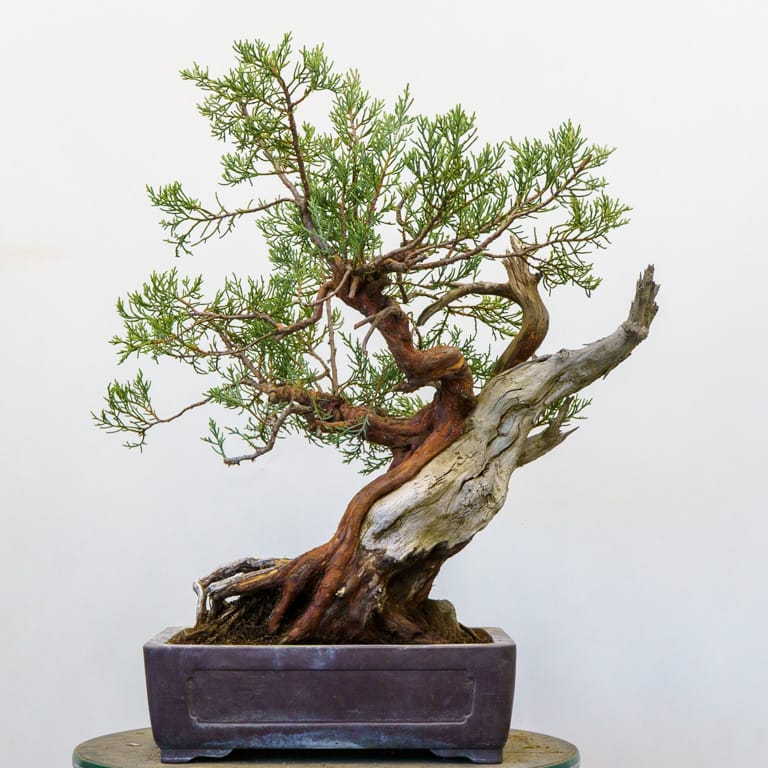
After removing old foliage and cleaning the lifeline
A new oak tree was growing well when I brought it home. When the tree is ready I’d like to reduce the branches by about 80 percent. Before doing so, however, I’d like to repot it and confirm that it grows well in my area (it’s either a canyon oak or a coast live oak, I’m not sure which). In the meantime, I performed light cutback to reduce the branch density and see how the tree responds.
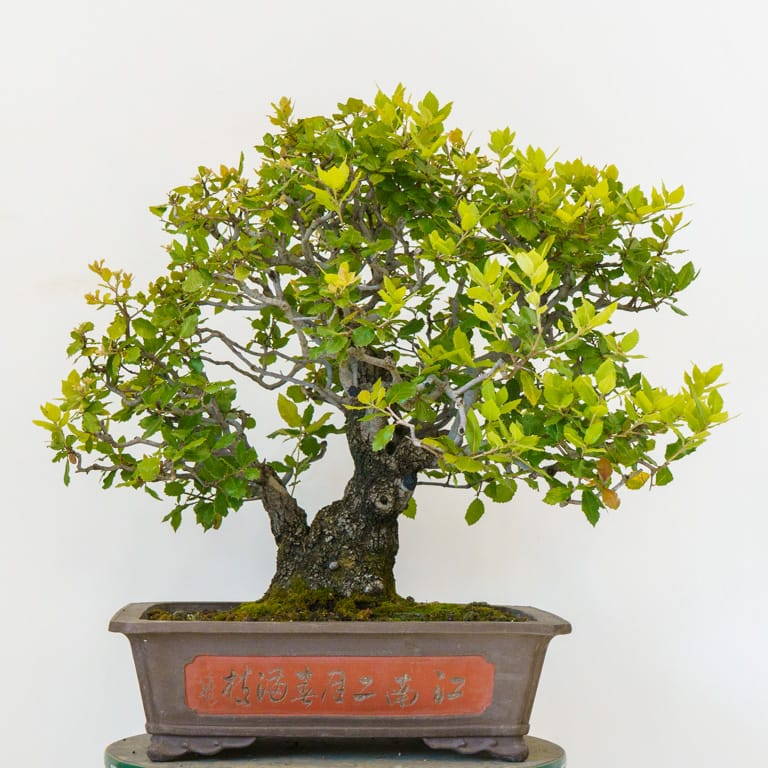
California oak
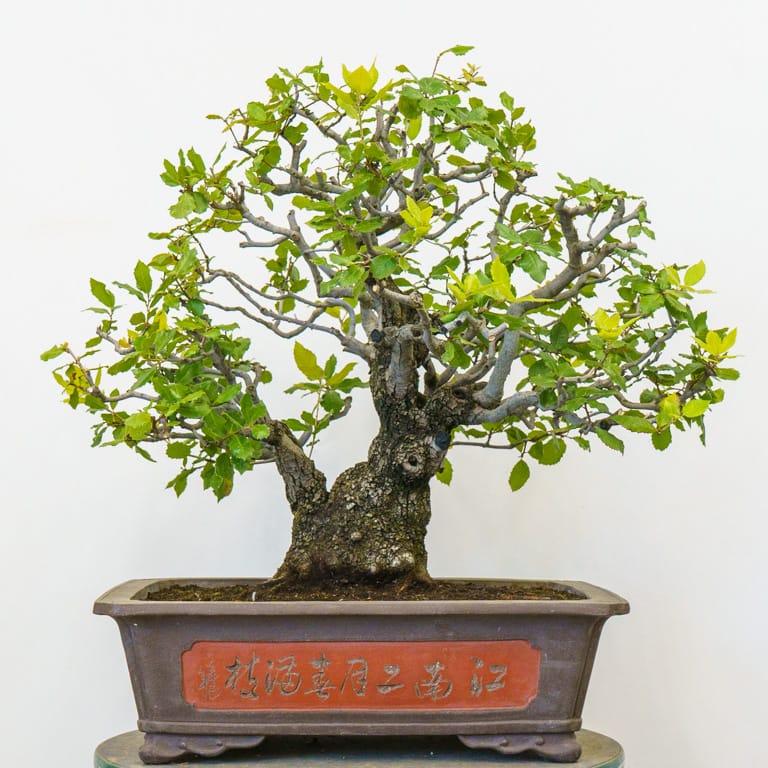
After light cutback
I plan to repot all three trees this coming winter. In the meantime, I’ll be thinking about ways to improve them in the new year.
And for those who are curious where these trees came from, all three were picked up at Lotus Bonsai Nursery in Placerville, California.
News & Updates
[Regional Event]
- The US National Tropical Bonsai Exhibition is coming up this fall and they’re looking for 100 of the best tropical bonsai in the country. To participate as an exhibitor, check out the US National Tropical Bonsai Exhibition website. The deadline for submissions is July 1, 2026.
[Summer Intensives]
- The spring sessions have sold out but there’s still space for the summer intensives coming the first two weekends in August. We’ll be focusing on seasonal pruning, wiring, plus deadwood design and maintenance. Learn more and reserve space now for the summer Bonsai Development Intensives.
[2027 Pacific Bonsai Expo]
- Vendor tables will be going on sale July 1. Stay tuned for more info soon!
Subscribe to Bonsai Tonight
New Posts Delivered Every Tuesday and Friday