“How do landscape, native flora, and cultural practices shape bonsai expression?” This is the question Aarin Packard and the Pacific Bonsai Museum investigate in their current exhibit, Bonsai United.
The exhibit investigates ways in which the environment, the culture, and the expression of bonsai differ in fifteen countries around the world.
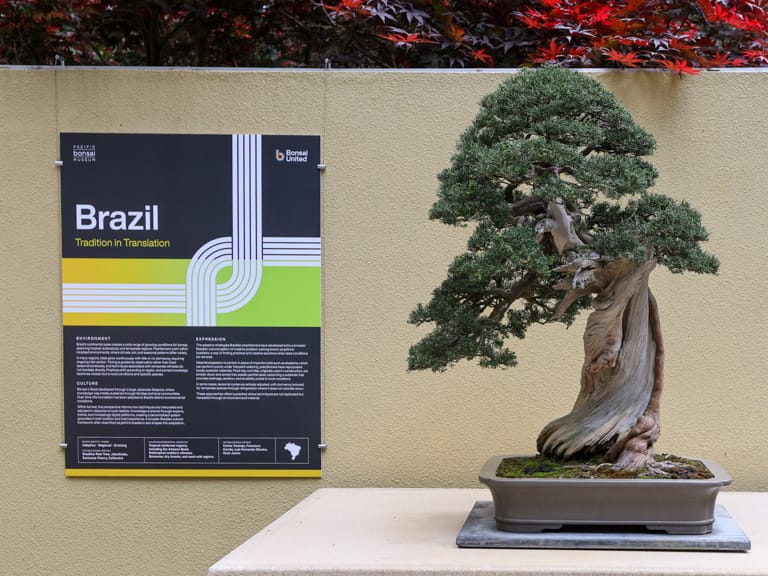
Shimpaku grafted on Sierra Juniper (Brazil)
(all photography by Matthew Aimonetti)
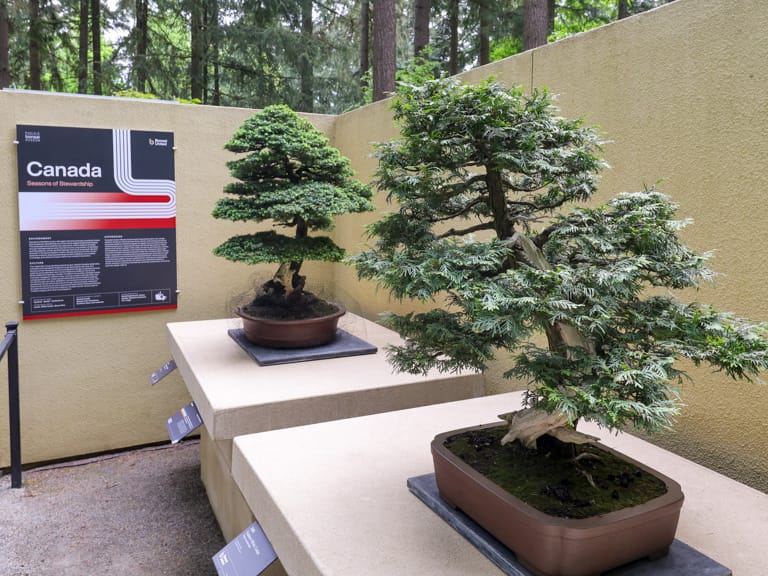
Hemlock and eastern white cedar (Canada)
Although the exhibit is best experienced on-site at the museum, you can see images of the trees on display, listen to interviews with professionals from around the world, and read all accompanying text via the Bloomberg Connects app and website.
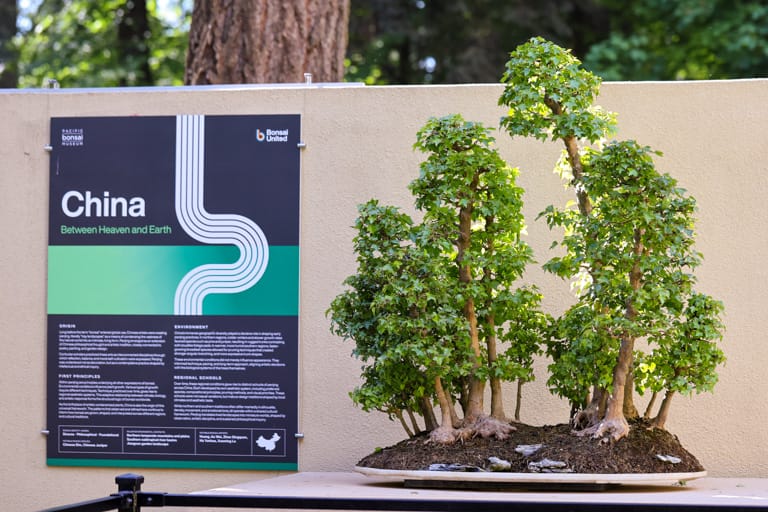
Trident maple forest (China)
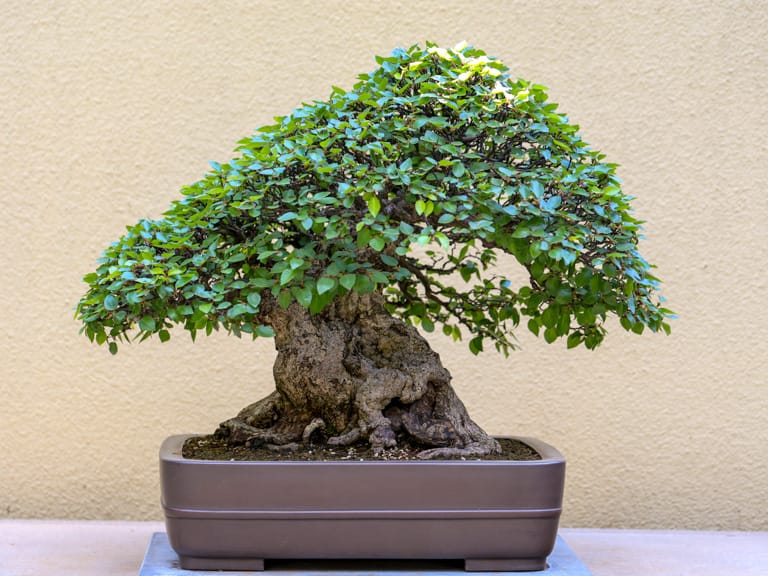
Korean hornbeam (Korea)
The exhibit is organized in a way that reflects the spread of bonsai beginning in China and eventually reaching Korea, Japan, and beyond. Some of the trees featured came from these countries or have been worked on by prominent figures from these countries.
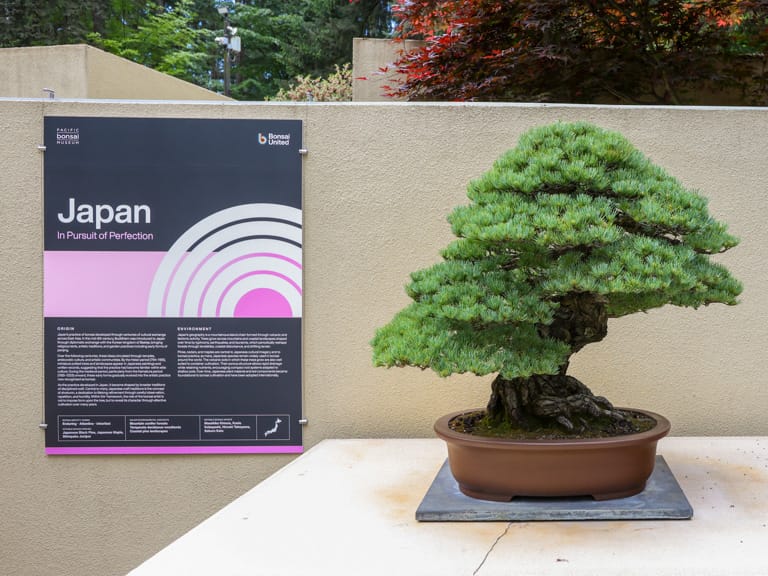
White pine (Japan)
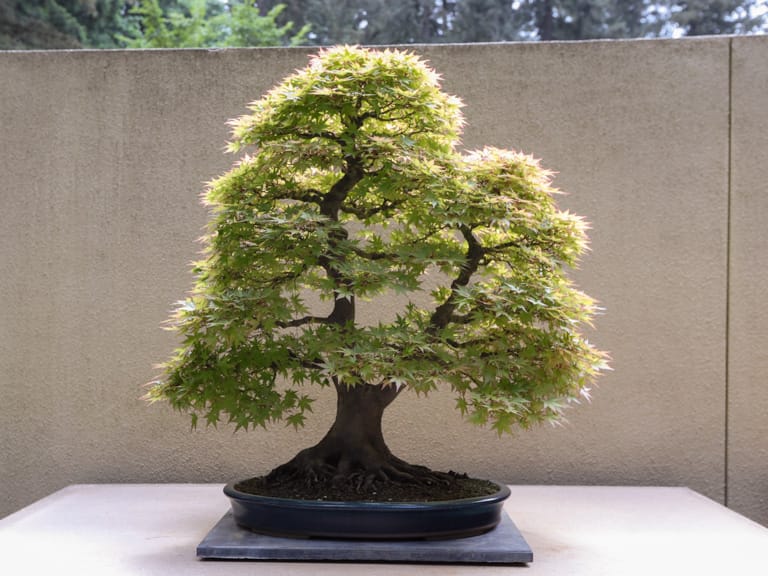
Japanese maple (Japan)
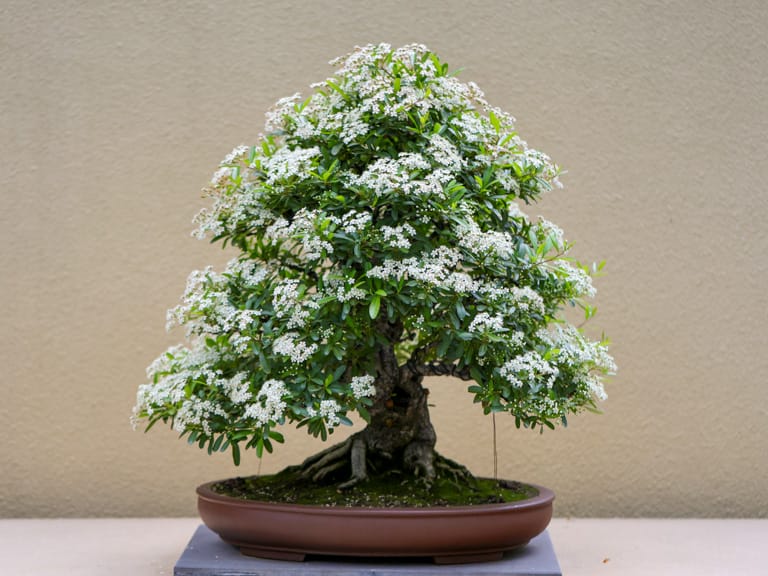
Pyracantha (Taiwan)
When I first heard about the project I wondered if the focus would be on explaining why trees from a given country can have an identifying “look” to them not found elsewhere. Instead, what I found was that gaining a broader understanding of the context within which a community operates determines not only why trees may look one way or the other (based on the local environment or how native trees develop in these spaces) but how a given community interprets what it means to do bonsai (via imports and exports, focusing on native or exotic material, or establishing aesthetic norms or goals for the hobby).
I recently had the opportunity to speak with the curator and creator of the exhibit, Aarin Packard, on the Bonsai Wire Podcast. During our chat Aarin provides an overview of how the exhibit came together and shares some of the discoveries that made their way into the exhibit. For example, in Mexico a big part of the challenge is finding species that survive extreme heat, seasonal monsoons, and hurricane-force winds while responding well to bonsai training techniques. In Canada the extreme cold in winter and the compact growing season characterized by explosive growth rewards species with very different characteristics.
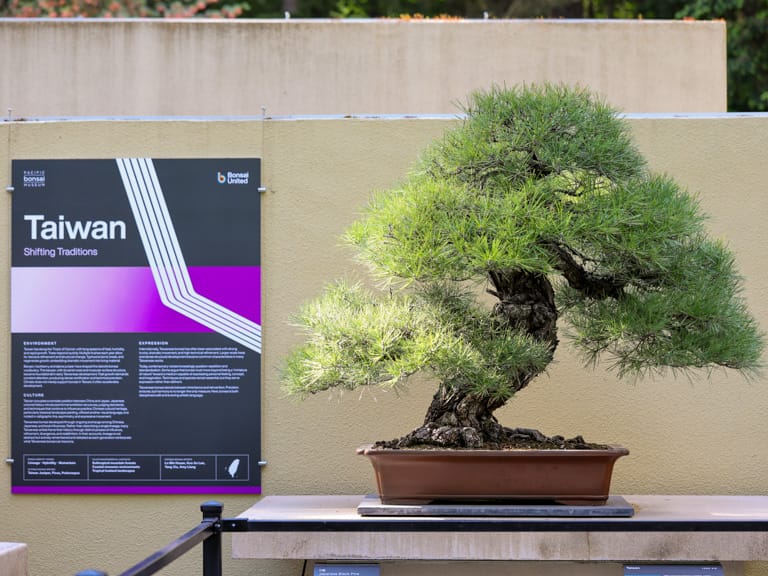
Black pine (Taiwan)
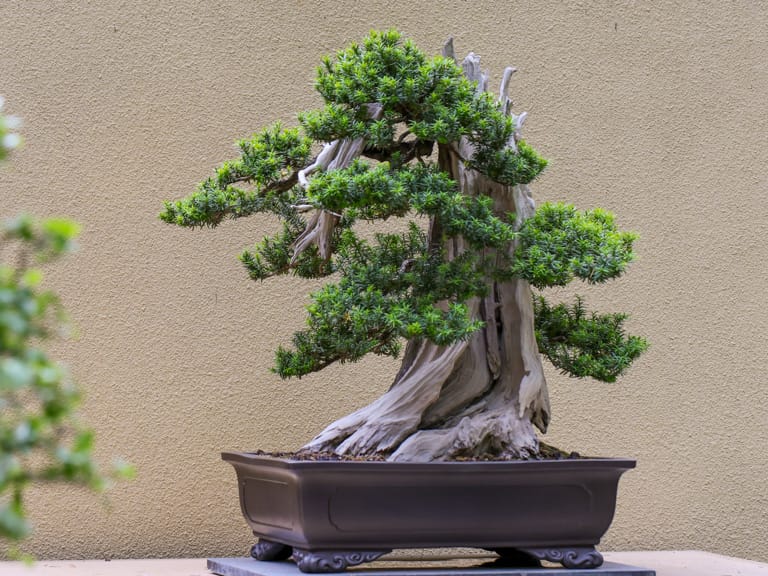
Yew (England)
The exhibit is open now and runs through December 19, 2027. Here are some links for learning more.
- Plan your visit to the museum
- Read about Bonsai United on the Bloomberg Connects app and website
- Listen to curator Aarin Packard on the Bonsai Wire Podcast
Subscribe to Bonsai Tonight
New Posts Delivered Every Tuesday and Friday
Sekhar Dutta says
Amazing❤️
Leigh Blake says
I’m drawn particularly to the English Yew and the Taiwanese Black Pine. But of course they are all so elegant and wonderful. Thank you for this extremely great exhibit from around the planet and all the artists that have evolved in each country. I keep returning to the tree from Brazil…each tree definitely has its own personality…I am so grateful!!